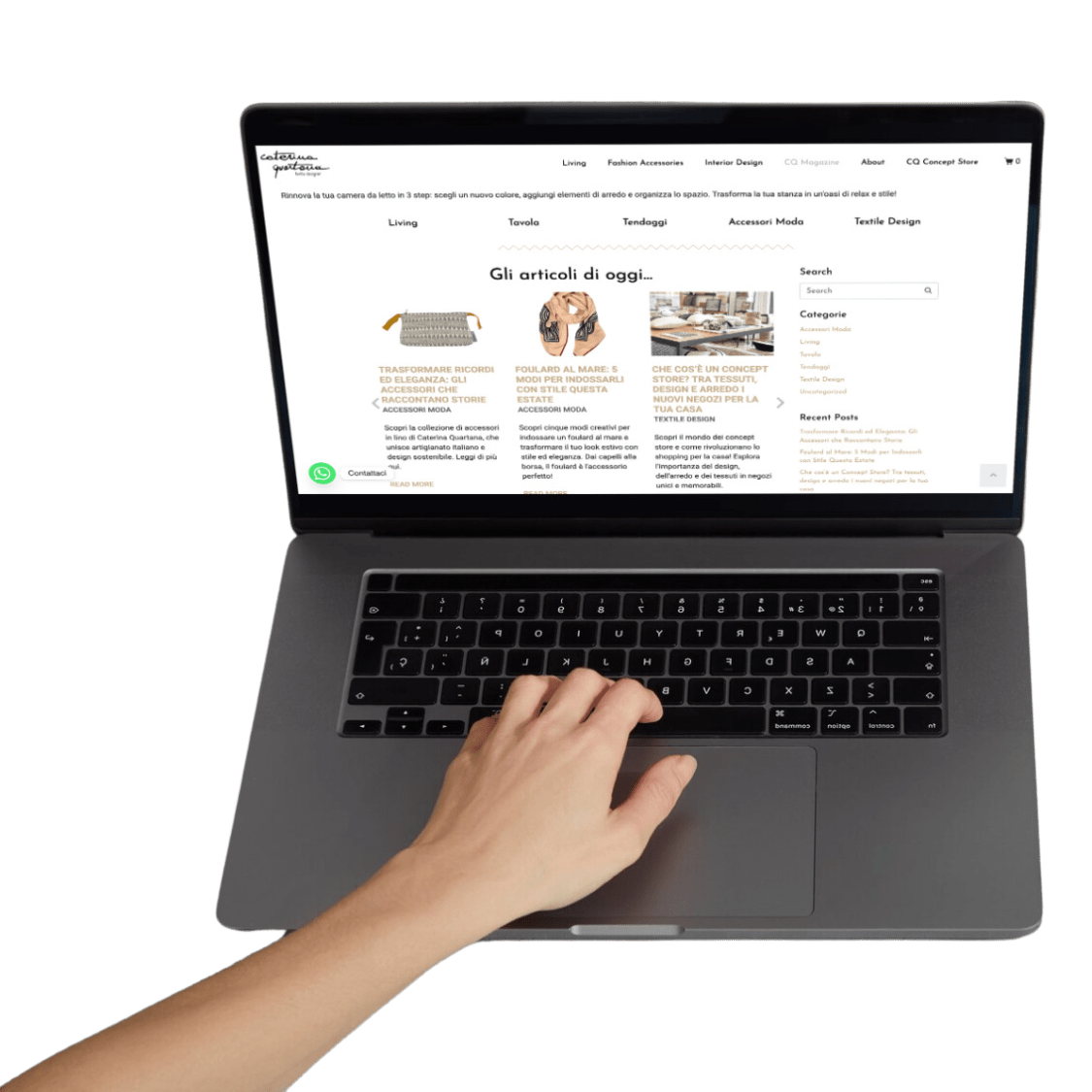

The difference between publishing articles and building an acquisition system
Many small and medium-sized enterprises (SMEs) dive into content creation with the idea that simply starting a blog is sufficient for inbound marketing success. However, this approach often leads to disappointment when the anticipated surge in leads and customers fails to materialize. This article explores the critical differences between merely publishing articles and creating a robust content acquisition system that genuinely drives business growth.
- Understanding Inbound Marketing
- Blog vs. Acquisition System
- Key Components of an Effective Content Strategy
- Case Studies
- Implementing a Successful Content Strategy
- Conclusion
Understanding Inbound Marketing
Inbound marketing is a strategy that focuses on attracting customers through relevant and helpful content, adding value at every stage in your customer’s buying journey. Unlike outbound marketing, which interrupts your audience with content they don’t always want, inbound marketing forms connections they are looking for and solves problems they already have.
Blog vs. Acquisition System
A blog is a series of posts centered around relevant topics for your audience. While this is an essential component of an inbound strategy, it is merely one part of a broader content acquisition system. A content acquisition system is a holistic approach that includes not only the blog but also content optimization, SEO, social media integration, lead capture mechanisms, and analytics to measure performance.
Key Components of an Effective Content Strategy
- Content Planning: Understanding audience needs and creating a content calendar aligned with business goals.
- SEO: Optimizing content for search engines to improve visibility and reach.
- Content Distribution: Leveraging various channels such as social media, email newsletters, and other platforms to share content.
- Lead Generation: Integrating calls-to-action (CTAs) and lead capture forms to convert visitors into leads.
- Analytics: Using tools to track performance and refine strategy based on data.
Case Studies
Consider the example of a small online retailer that implemented a content acquisition system. By focusing on targeted blog posts optimized for SEO, integrating social media, and using effective CTAs, they saw a 150% increase in organic traffic and a 50% increase in sales over six months.
Another case involves a B2B service provider who used detailed industry reports and regular webinars as part of their content strategy. This approach established them as thought leaders and resulted in a 40% increase in lead generation.
Implementing a Successful Content Strategy
To transition from a simple blog to a comprehensive acquisition system, SMEs should consider the following steps:
- Define clear objectives: Understand what you want your content to achieve (e.g., increase leads, improve brand awareness).
- Know your audience: Develop buyer personas and tailor content to meet their needs.
- Choose the right platforms: Determine where your audience spends their time and focus your content distribution efforts there.
- Measure and adjust: Continuously analyze the performance of your content and refine your strategy based on insights gathered.
Conclusion
Starting a blog is just the beginning of what should be a multifaceted inbound marketing strategy. By understanding the difference between simply publishing articles and building a comprehensive content acquisition system, SMEs can significantly enhance their marketing effectiveness and see a tangible impact on their business growth.
For more insights on creating effective content strategies, visit Content Marketing Institute.