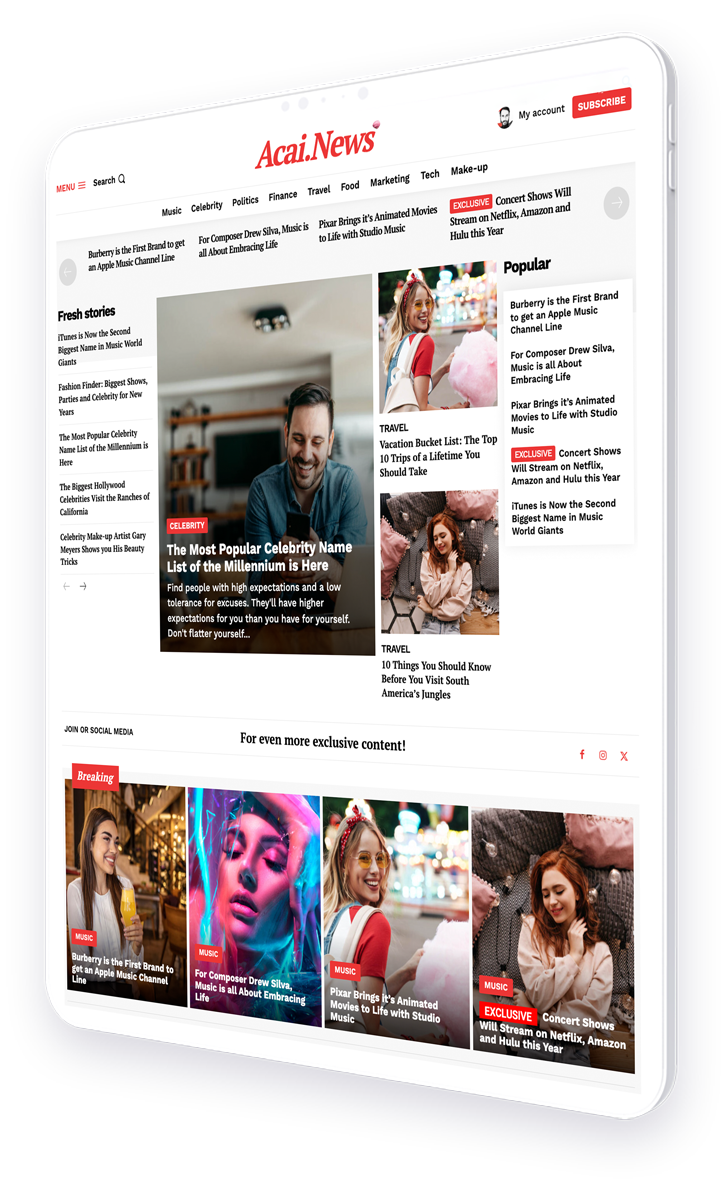

A New Paradigm for Inbound Marketing Success
In today’s digital landscape, small and medium-sized enterprises (SMEs) face a unique set of challenges and opportunities when it comes to marketing. The traditional advertising model, which focuses on pushing messages out to a broad audience, is increasingly being overshadowed by the more subtle and effective techniques of inbound marketing. This article explores why SMEs should adopt a publisher’s mindset to thrive in the digital age.
- Understanding Inbound Marketing
- The Shift from Advertising to Publishing
- Benefits of Thinking Like a Publisher
- Implementing a Publisher Mindset
- Case Studies
- Conclusion
Understanding Inbound Marketing
Inbound marketing is a strategy that focuses on attracting customers through relevant and helpful content and adding value at every stage in your customer’s buying journey. Unlike outbound marketing, which interrupts your audience with content they don’t always want, inbound marketing forms connections they are looking for and solves problems they already have.
The Shift from Advertising to Publishing
Advertising often involves pushing messages out to a large audience, regardless of whether the content is relevant or engaging to every recipient. On the other hand, a publisher’s mindset focuses on creating content that is valuable, engaging, and tailored to the needs of a specific audience. This approach not only attracts quality leads but also builds trust and credibility with potential customers.
Benefits of Thinking Like a Publisher
- Enhanced Customer Engagement: Publishing relevant content increases customer engagement and interaction with the brand.
- Increased Visibility and Brand Awareness: High-quality content improves SEO, driving more organic traffic to your website.
- Cost-Effectiveness: Inbound marketing is often more cost-effective than traditional advertising, providing a higher ROI.
- Long-term Relationships: By continuously providing value, businesses can build long-term relationships with their customers, leading to repeated sales and loyalty.
Implementing a Publisher Mindset
To adopt a publisher mindset, SMEs should focus on understanding their audience deeply and creating content that addresses their needs and challenges. This involves:
- Conducting thorough market research to understand and segment the audience.
- Developing a content strategy that includes a variety of formats, such as blogs, videos, and infographics.
- Utilizing analytics to track performance and optimize content based on engagement and conversion rates.
Case Studies
Several SMEs have successfully implemented a publisher mindset to drive growth and engagement. For example, HubSpot, a leader in inbound marketing, consistently creates valuable content tailored to their audience, resulting in significant growth in web traffic and customer acquisition. Another example is Zapier, which uses detailed how-to guides and articles to educate their users about automation, thereby enhancing customer satisfaction and retention.
Conclusion
Embracing a publisher mindset allows SMEs to align more closely with the needs and behaviors of modern consumers. By focusing on creating valuable, relevant content, businesses can attract more qualified leads, engage customers on a deeper level, and build lasting relationships that drive success. The shift from advertiser to publisher is not just a tactical change, but a strategic move towards sustainable growth in the digital age.
For more insights on inbound marketing strategies, visit HubSpot’s Inbound Marketing Guide.