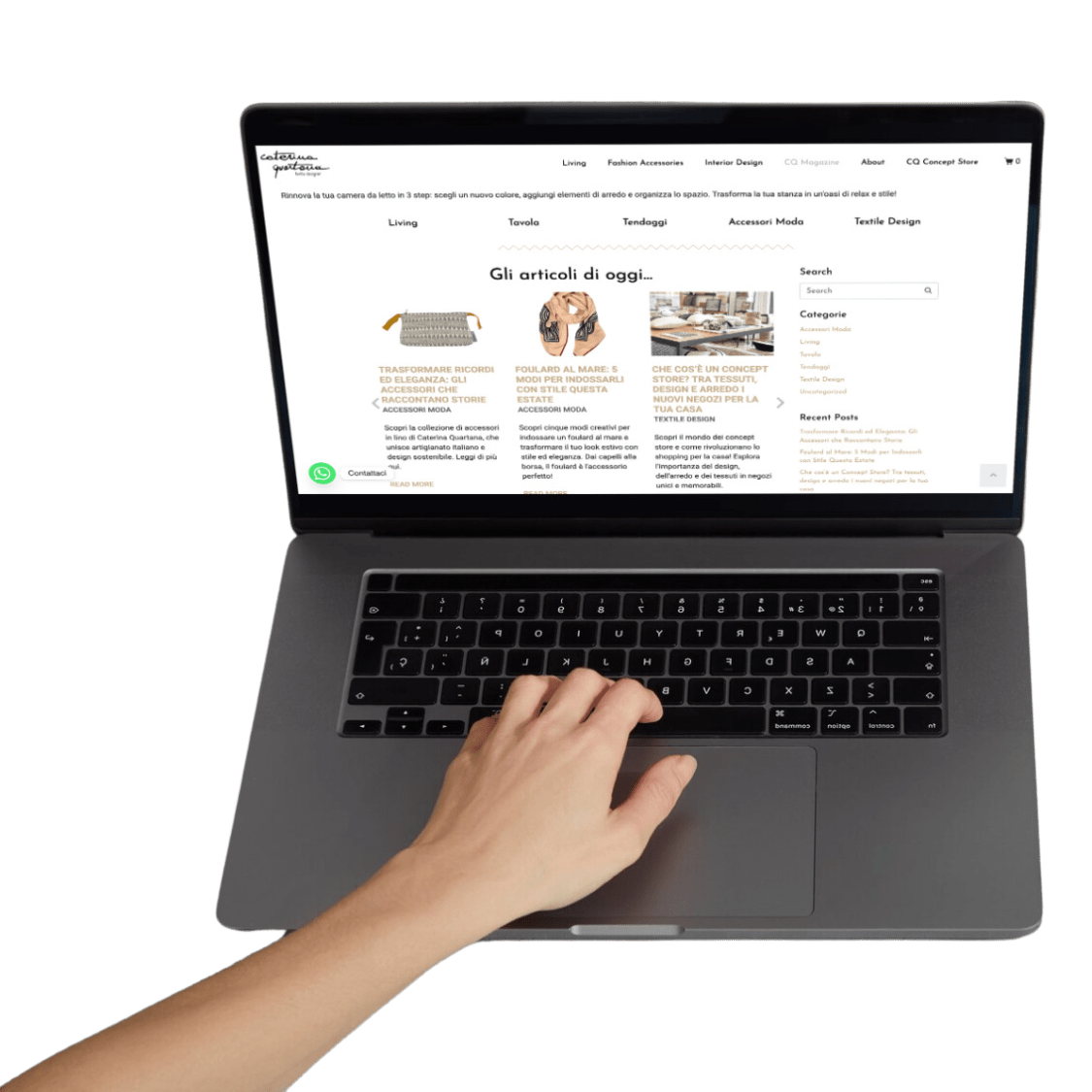

Visibility Alone Doesn’t Equal Relevance or Impact
An effective digital strategy is crucial for small and medium-sized enterprises (SMEs) aiming to thrive in today’s competitive market. However, there’s often confusion between merely having an online presence and executing a strategic inbound marketing plan. This article explores the nuances between these concepts, emphasizing why visibility doesn’t automatically translate to relevance or impact.
- Defining the Terms
- The Importance of Online Presence
- Inbound Marketing Explained
- Comparing the Strategies
- Case Studies
- Best Practices for Integrating Online Presence and Inbound Marketing
- Conclusion
Defining the Terms
Online presence refers to any existence of an individual or business that can be found via an online search. This could mean a website, social media profiles, or business listings. On the other hand, inbound marketing is a strategy that focuses on attracting customers through content and interactions that are helpful and relevant. Unlike traditional outbound marketing, inbound marketing does not need to fight for potential customers’ attention.
The Importance of Online Presence
For SMEs, establishing an online presence is the first step towards digital engagement. It includes:
- Building a professional website
- Maintaining active social media accounts
- Ensuring the business is listed on online directories and review sites
While these elements are essential, they primarily serve to make the business visible online. They do not, however, guarantee meaningful interactions with potential customers.
Inbound Marketing Explained
Inbound marketing, by contrast, is about creating and sharing content specifically designed to appeal to your dream clients, inviting them into your business’s story. This strategy uses various forms of pull marketing—content marketing, blogs, events, SEO, social media and more—to create brand awareness and attract new business.
Comparing the Strategies
While having an online presence ensures that a business can be found, inbound marketing is about being found by the right people and for the right reasons. For example, a business might have a widely-followed social media profile (online presence), but if the content shared does not engage the right audience, it will not generate leads or drive business growth (inbound marketing).
Case Studies
Consider the case of a local bakery that utilized SEO and targeted content to increase their orders by 75% within six months. Another example is a tech startup that leveraged personalized email campaigns to boost their customer retention rates.
Best Practices for Integrating Online Presence and Inbound Marketing
To effectively combine online presence with inbound marketing, SMEs should:
- Align their content strategy with their audience’s needs
- Use analytics to track engagement and optimize strategies
- Focus on building relationships rather than just broadcasting messages
Conclusion
While online presence sets the stage, inbound marketing steals the show. By integrating both, SMEs can not only ensure they are visible online but also engage and convert their audience effectively. Remember, in the digital world, visibility alone doesn’t equal relevance or impact.
For further reading on inbound marketing strategies, visit HubSpot’s Inbound Marketing Guide.