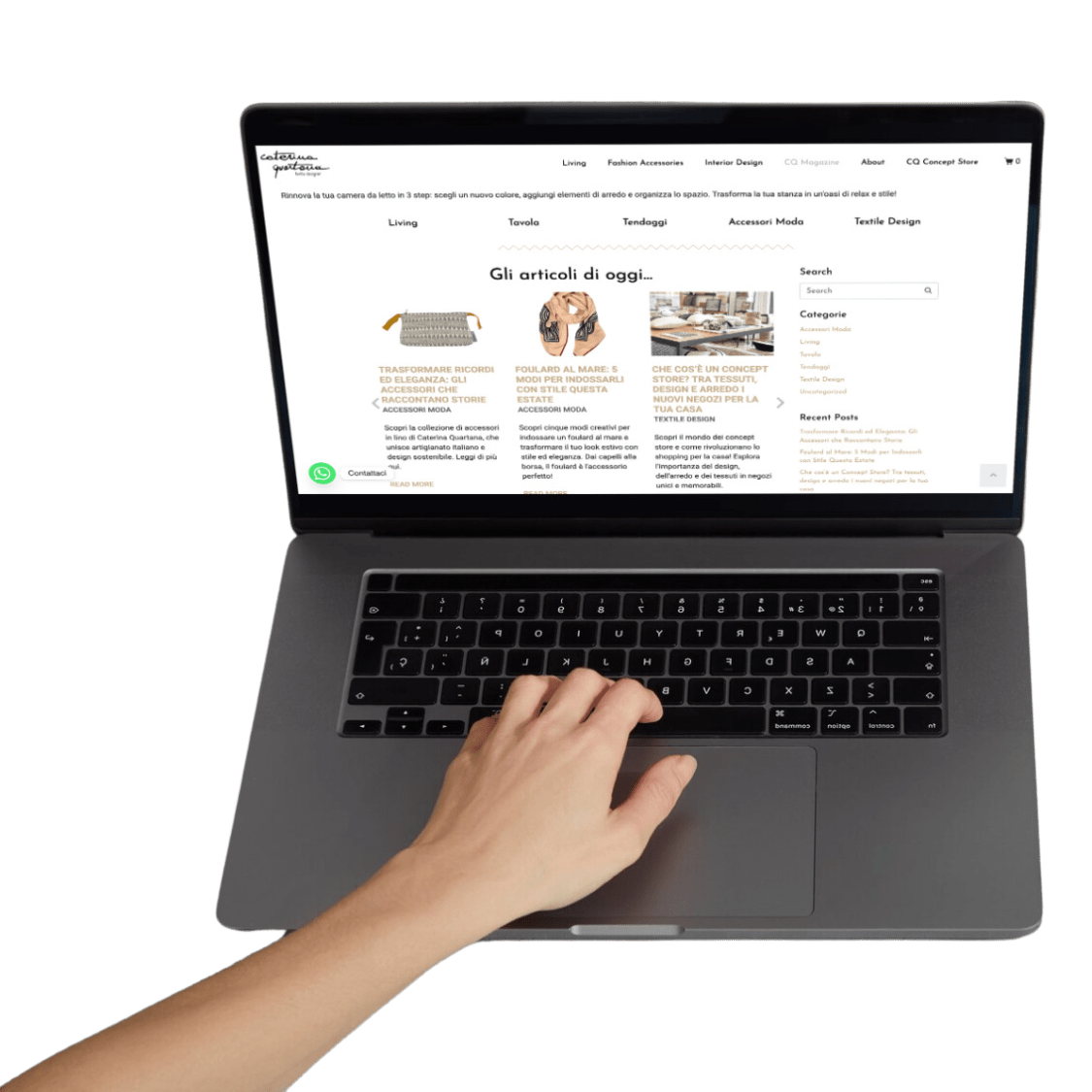

Supporting complex and slow decision-making processes with content
For B2B SMEs, the sales cycle can be complex and lengthy, often involving multiple decision-makers and a significant amount of deliberation. In such scenarios, traditional marketing techniques can fall short, as they typically focus on quick conversions rather than nurturing leads through the decision-making process. This is where inbound marketing comes into play, offering a strategic approach to educate and engage potential clients over time, building trust and establishing a strong foundation for eventual sales.
- Introduction to Inbound Marketing
- Why Inbound Marketing is Crucial for B2B SMEs
- Key Strategies in Inbound Marketing
- Content Creation for B2B SMEs
- Case Studies and Examples
- Conclusion and Key Takeaways
Introduction to Inbound Marketing
Inbound marketing is a technique designed to draw customers to products and services via content marketing, social media marketing, search engine optimization, and branding. This approach is particularly effective in the B2B sector where the buying process is often more informed and considered than in direct consumer sales.
Why Inbound Marketing is Crucial for B2B SMEs
Inbound marketing is not just a tool for attracting leads; it’s a method for creating a more informed customer base and establishing credibility in a competitive market. For B2B SMEs, where resources are often limited and every lead counts, inbound marketing provides a cost-effective solution to market penetration and customer acquisition.
Key Strategies in Inbound Marketing
Effective inbound marketing for B2B SMEs revolves around several core strategies:
- Content Marketing
- SEO (Search Engine Optimization)
- Lead Nurturing
- Performance Analysis
Content Marketing
At the heart of inbound marketing is content. This content must not only attract but also engage and convert audiences. For B2B SMEs, content that educates the customer about the industry, solutions to common problems, and detailed product information can be particularly effective.
SEO (Search Engine Optimization)
SEO enhances the visibility of your content and your overall online presence by aligning your content with the queries your potential customers are searching for. This involves keyword research, on-page SEO, and building a network of backlinks.
Social Media Engagement
Social media platforms offer a great way to engage with potential customers. For B2B companies, platforms like LinkedIn can be particularly valuable.
Lead Nurturing
Lead nurturing involves developing relationships with buyers at every stage of the sales funnel. This strategy focuses on listening to the needs of prospects, and providing the information and answers they need.
Performance Analysis
Monitoring the performance of your inbound marketing strategies is crucial to understand what works and what doesn’t, allowing for better allocation of resources and improved strategies.
Content Creation for B2B SMEs
Creating content that resonates with a B2B audience involves understanding the challenges and needs of the industry. Content should be informative, relevant, and provide real solutions. Types of content that work well in B2B inbound marketing include:
- Whitepapers
- E-books
- Case studies
- Blog posts
- Videos
- Infographics
Case Studies and Examples
Case studies of B2B companies successfully implementing inbound marketing strategies can provide valuable insights. For example, a tech SME might use a series of blog posts to explain complex products, supplemented by customer testimonials and case studies to build trust and credibility.
Conclusion and Key Takeaways
Inbound marketing is an essential strategy for B2B SMEs looking to navigate the complex waters of modern business environments. By focusing on educating potential customers through quality content, businesses can support slow and complex decision-making processes, ultimately leading to informed customers and increased sales.
Remember, the key to successful inbound marketing is consistency and quality. It’s about building relationships and establishing trust, turning leads into customers who believe in your product as much as you do.
For further reading on inbound marketing strategies and their effectiveness, visit HubSpot’s Inbound Marketing Guide.